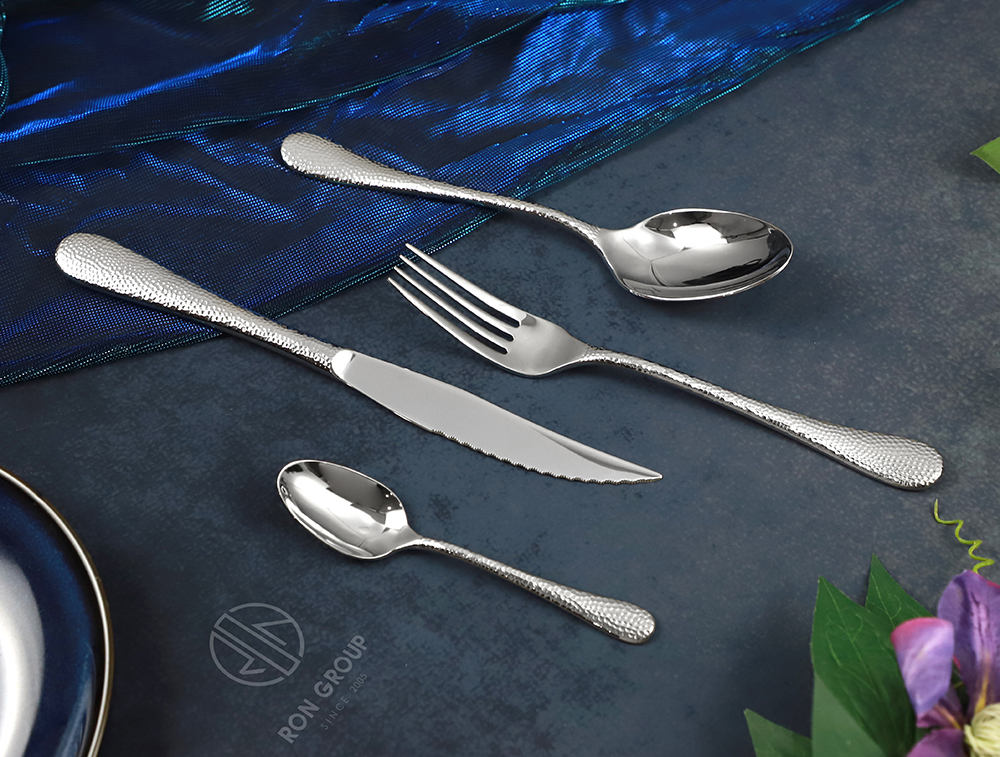
1. Why Flatware Matters More Than Most Operators Realize
Guests interact with flatware before tasting the first bite. Balanced weight, smooth edges, and the right metal finish immediately signal quality. Poorly chosen utensils—too light, easily bent, or quickly tarnished—reduce perceived value no matter how good the food is. High-volume operators also face heavy daily usage, dishwashing cycles, and replacement costs, making material selection a strategic decision rather than a decorative one.
2. The Best Materials for Commercial Flatware
Professional restaurants typically rely on 18/10, 18/8, and 18/0 stainless steel, each serving different budgets and performance needs.
18/10 Stainless Steel – Premium choice with excellent corrosion resistance, shine retention, and a luxurious hand-feel. Ideal for fine dining, hotels, and high-end casual restaurants.
18/8 Stainless Steel – Strong, well-balanced, and cost-effective. A reliable standard for most mid-range restaurants.
18/0 Stainless Steel – Durable and economical, suitable for large-volume catering and buffet operations.
For operators seeking unique identity, titanium-plated finishes—such as matte black, champagne gold, and brushed copper—offer both durability and strong visual impact while maintaining the hardness of stainless steel underneath.
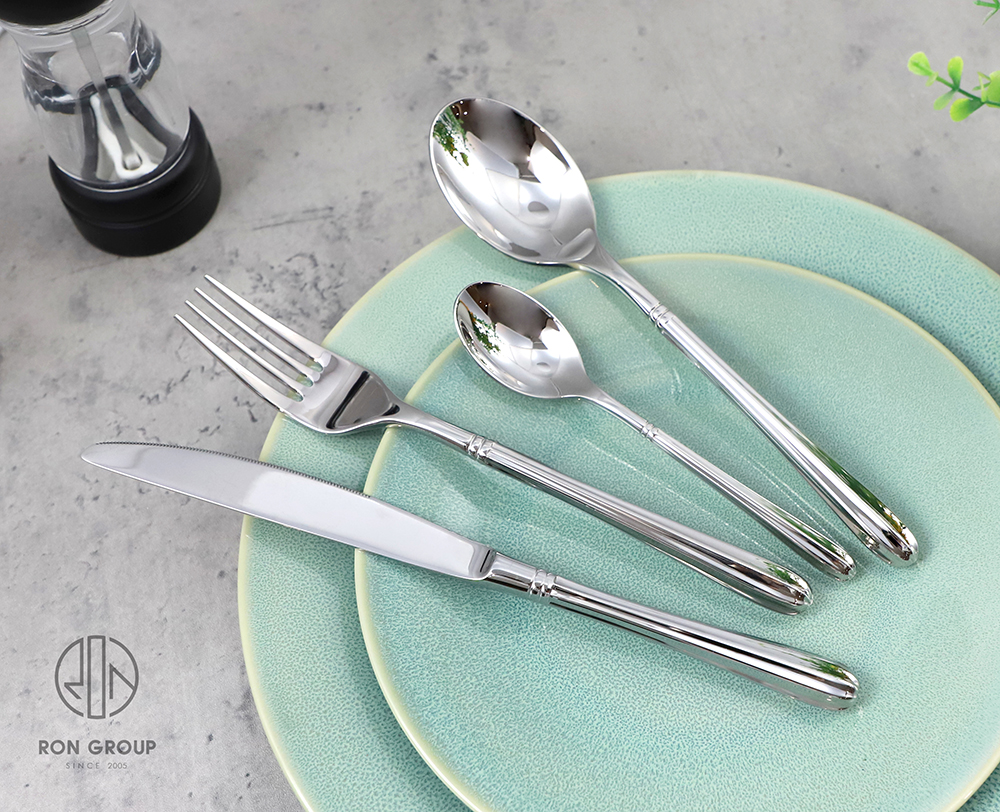
3. Shape, Balance, and Ergonomics: What Really Matters
The best restaurant flatware offers consistent thickness, comfortable grip, and balanced weight distribution. Thin handles tire guests’ hands, while oversized pieces disrupt dining flow. A well-designed set feels stable, solid, and intuitive in the hand.
In contemporary dining trends, operators are preferring:
Rounded silhouettes for modern casual dining
Straight clean lines for minimalist interiors
Slightly curved handles for ergonomic comfort
Wide-handle knives for improved cutting control
A well-balanced utensil improves user comfort and reduces accidental dropping—especially important in high-volume restaurants and hotel banquets.
4. Durability and Daily Operation Requirements
Commercial environments demand flatware that withstands thousands of dishwashing cycles, high heat, detergent exposure, and occasional impacts. Key durability features include:
Seamless one-piece construction to avoid bending
Corrosion-resistant steel grade to prevent spotting
Electropolished surfaces for easier cleaning
Scratch-resistant finishes for long-term appearance
For group chains and hotel operators, these details significantly reduce annual replacement costs.
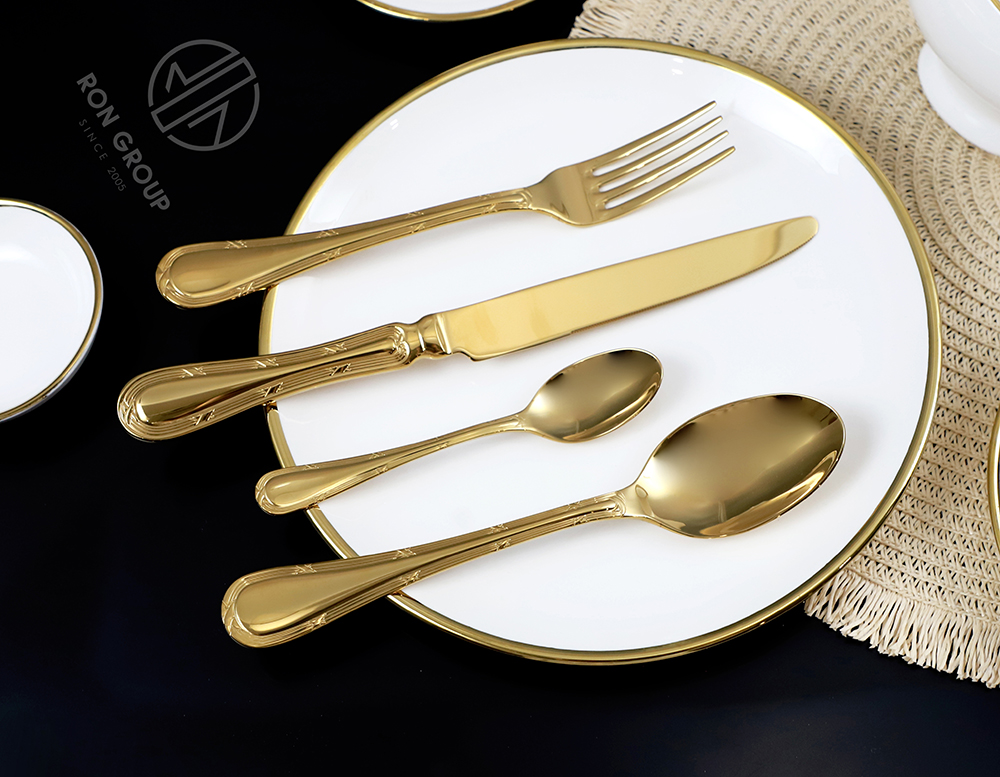
5. Design Trends Driving 2025–2026 Restaurant Flatware Purchases
The upcoming trend cycle emphasizes character, texture, and color. Popular choices include:
Matte black and brushed gold for modern upscale restaurants
Stone-washed or vintage finishing for rustic and industrial interiors
Ultra-minimalist satin silver for Nordic-inspired spaces
Oversized dessert spoons and short-handle steak knives for specialty concepts
These styles help restaurants build brand identity through their table setting, making flatware not just functional but part of the visual storytelling.
6. How to Select the Right Flatware Supplier
When sourcing flatware for multiple locations, buyers should prioritize:
Consistent quality across large batches
Stable supply chain and long-term availability
Customization options (logo engraving, special finishes, unique handle shapes)
Food-grade certification and compliance
Working with a manufacturer that understands restaurant operations ensures that the chosen flatware aligns with menu style, service rhythm, and long-term brand direction.
Conclusion
Professional flatware plays a subtle but crucial role in restaurant experience. By focusing on material, balance, durability, and design trends, operators can significantly improve guest satisfaction while protecting operational budgets. High-quality knives, forks, and spoons are an investment—not an expense—and they help shape the dining identity of every hospitality venue.