
Ron Wong
86-13380258855
sales@rongroup.co

Why Most “Quality Problems” Start on Paper
In restaurant projects, the most expensive mistakes are rarely dramatic. They look small: a chair color that “feels off,” a banquette that is hard to clean, tables that arrive without leveling feet, or packaging that fails during transit. Then the real costs hit—rework, delays, disputes, and missed opening dates.
The root cause is often not workmanship. It’s missing purchase order specs. If a requirement is not written clearly, it becomes optional in practice. A strong PO is not “extra paperwork.” It is risk control.
This article is built to be used as a commercial furniture RFQ and PO-ready checklist, especially for teams doing multi-vendor hospitality sourcing.
The PO Rule: If It’s Not Written, It’s Not Specified
Before the checklist, adopt one simple rule:
Every decision that affects look, durability, cleaning, or installation must appear in the PO—using measurable language.
Avoid words like “high quality,” “premium,” “strong,” or “similar to sample.” Replace them with specifications, tolerances, tests, and approvals.
1) Project Identity and Scope
Start your PO with a clear header that prevents confusion across teams and time zones.
Include:
Project name, site address, and delivery floor access notes (elevator, loading bay, restricted hours)
Item category and scope (Dining chairs / Banquettes / Tables / Bar stools / Outdoor sets)
Quantity, finish codes, and revision number (so old versions don’t get produced)
Required compliance (fire safety, contract grade requirements, local standards if applicable)
Write one line stating the agreed furniture quality standard—for example, contract-grade, heavy commercial use, daily service environment.
2) Dimensions, Tolerances, and Ergonomics (The Silent Deal-Breakers)
Dimensions must be complete. Do not only list overall size.
For seating, include:
Seat height, seat depth, overall height, back angle (if relevant)
Arm height (if chairs need to tuck under tables)
Weight capacity requirement (state a number)
Glide type (felt, nylon, rubber) based on floor material
For tables, include:
Top thickness and edge profile (square, bullnose, chamfer)
Base footprint diameter/width and column diameter
Table height and under-table clearance
Add tolerances:
Dimensional tolerance (e.g., ±5 mm)
Height tolerance critical for tables to avoid wobble across mixed batches
Ergonomics is part of quality. If guests feel cramped or staff can’t move, the furniture “fails” even if it’s well made.
3) Materials and Substrate (Don’t Let “Same Look” Hide a Different Core)
If you specify “walnut finish,” you still need the substrate.
Examples of what to write:
Solid wood vs veneer vs laminate vs engineered board
Metal grade and thickness range (for frames, legs, brackets)
Tabletop core: plywood, solid wood, compact laminate, stone, sintered stone, etc.
Also specify moisture protection for items near kitchens, entrances, or humid climates:
Sealed edges
Anti-mold treatment (if needed)
Back-side sealing for tabletops and panels
Two products can look identical online while aging completely differently in service. Your PO should prevent that.
4) Hardware, Joinery, and Structure (Where Longevity Is Won)
Many failures begin at joints: loosened screws, cracked weld points, squeaks, and wobble.
Write requirements like:
Weld type and finishing (full weld vs spot weld; ground smooth)
Fastener type (stainless vs standard; thread-lock use)
Corner blocks / reinforcement plates for chairs
Replaceable parts (glides, feet, brackets)
If you want contract-grade performance, say it:
Commercial seating durability expectations (heavy daily use, frequent movement)
“No wobble” acceptance criteria (define test method: push test, diagonal pressure, level-foot adjustment)
5) Finishes and Color Control (How to Avoid “Looks Different Under Warm Light”)
Finishes are where disputes happen because taste becomes the judge. Make it measurable.
For wood and metal:
Finish type (powder coat / PU / lacquer / oil / water-based)
Gloss level range (matte, satin, semi-gloss)
Color code and approved sample reference
Acceptable natural variation notes (wood grain, marble veining)
Approval workflow:
Pre-production sample required (PPS)
Signed approval required before bulk
Batch control: state if all items must be produced in one batch to reduce variance
The best quality control is a signed sample plus a written color tolerance.
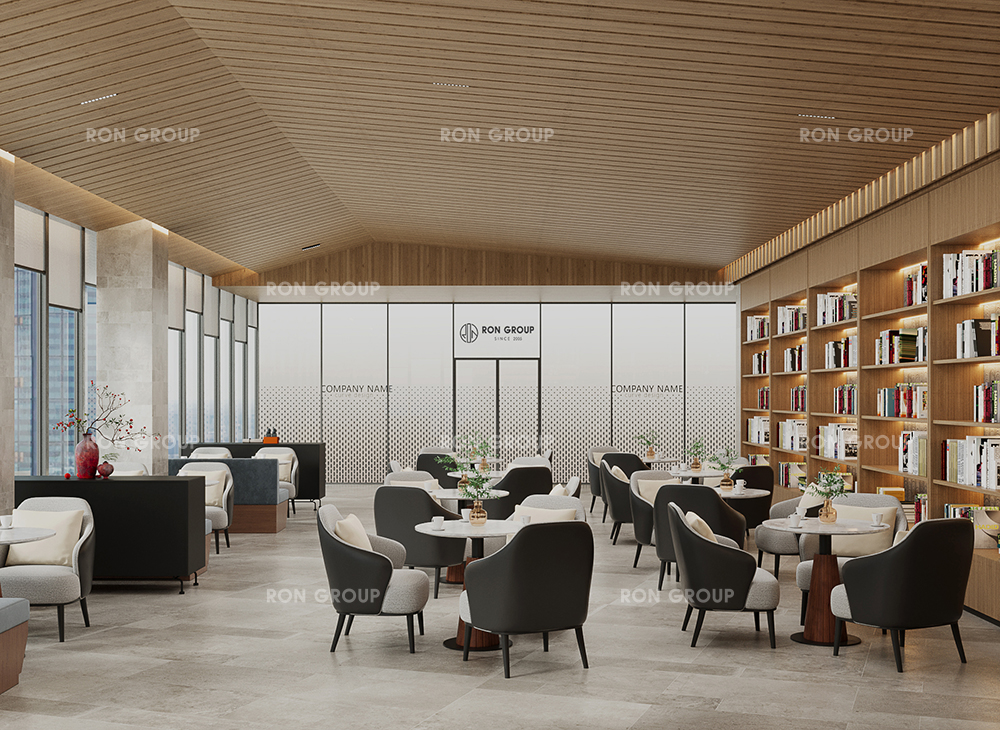
6) Upholstery and Foam (Where Restaurants Lose Money Fast)
Upholstery is high-touch and high-cleaning. Specify it like an operator, not a decorator.
Include:
Fabric type (vinyl, PU, leather, woven, performance fabric)
Abrasion resistance target and seam strength requirements (write numbers if you use them internally)
Stain resistance / easy-clean requirement (compatible cleaning agents)
Foam density and structure (seat foam density, back foam density; layered foam if needed)
Moisture barrier under seat (especially for banquettes)
Maintenance matters:
List the cleaning chemicals expected on site
Require compatibility testing or written confirmation
This is not “over-detailing.” It prevents early wear and surprise maintenance cost later.
7) Safety, Compliance, and Use Environment
Restaurants are harsher than homes: heat, spills, constant movement, and tight schedules.
Specify:
Indoor vs outdoor use (UV resistance, rust resistance, waterproofing)
Fire safety requirement if applicable (regional compliance)
Edge safety (no sharp edges; rounded corners in high traffic zones)
If the venue is coastal or humid, write it plainly:
“High-humidity environment; corrosion resistance required.”
8) Packaging, Labeling, and Site Handling (The Hidden Failure Point)
A perfect product can arrive damaged if packaging is weak.
Write packaging requirements:
Corner protection, foam wrap thickness, palletization rules
Marking: “This side up,” fragile, do not stack, moisture protection
Spare packaging units for long transport routes (if necessary)
Labeling rules:
Box label must include item code, finish code, quantity, room/area tag
“Install map” reference if your team assigns zones
Packaging is part of your furniture quality standard.
9) Inspection, Acceptance Criteria, and Defect Definitions
If you don’t define acceptance, you invite arguments.
Include:
Incoming inspection checklist at site
AQL or defect threshold language (even simple: “No functional defect allowed; cosmetic defects limited and defined”)
Photo documentation requirements
Remediation path: repair, replace, credit, or remake
Define defects clearly:
Functional defects (wobble, loose joints, unsafe edges) = not acceptable
Cosmetic defects (minor grain variation) = acceptable if within approved sample range
Color mismatch = measured against approved sample under specified lighting conditions
10) Warranty, Spares, and Replacement Plan
Restaurants need continuity. A mismatch in 6 months is a brand problem.
Write:
Warranty terms (structure vs upholstery vs finish)
Spare parts list (glides, feet, brackets, upholstery panels)
Replacement lead time commitment
Re-order consistency plan (same finish code, same fabric batch if possible)
If you want operational confidence, require repairability explicitly:
Replaceable glides and feet
Modular cushions
Accessible fasteners
This strengthens your negotiation position and stabilizes your long-term operating costs.
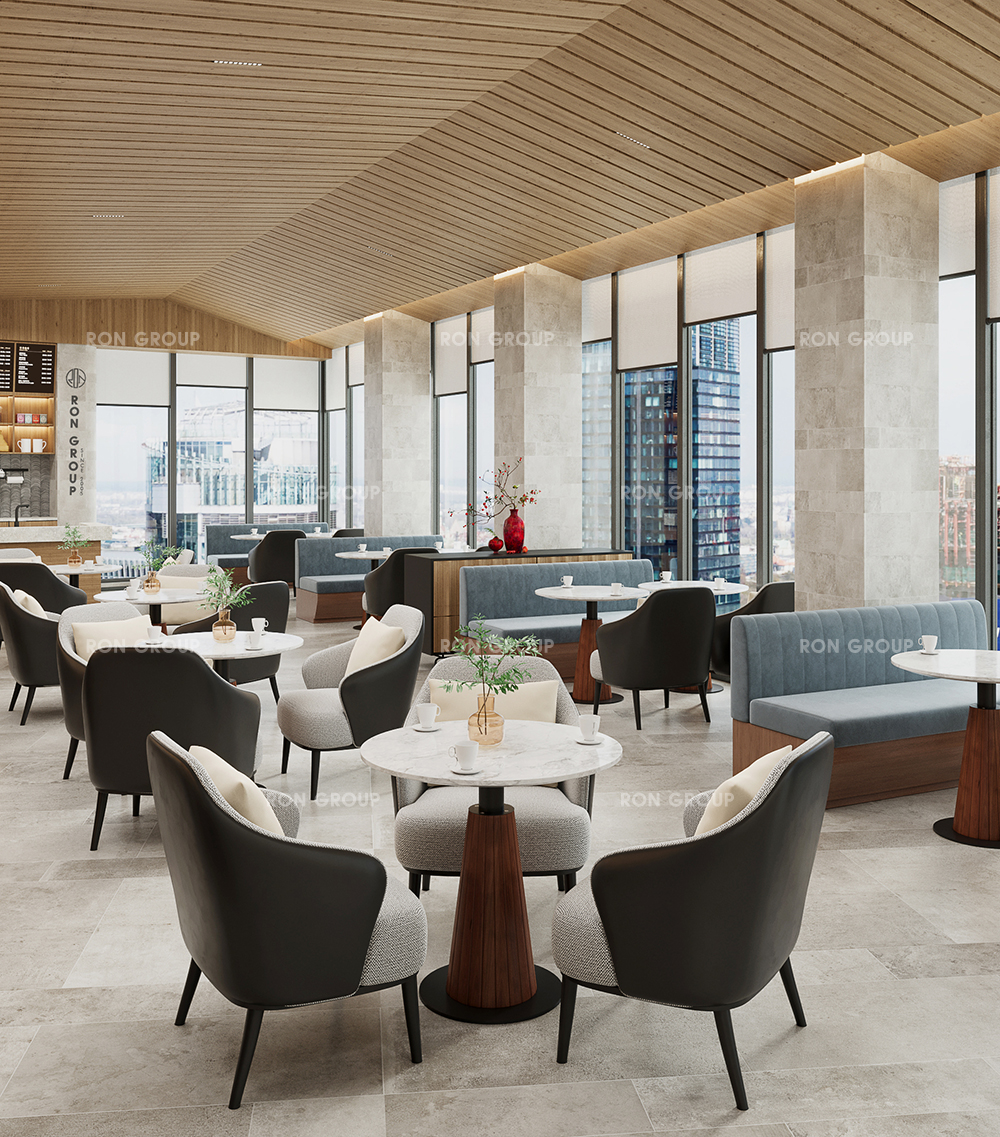
A Copy-Paste PO Checklist (Use This as Your Commercial Furniture RFQ)
You can paste this block into your PO/RFQ template:
Project / site / delivery constraints
Item list: code, quantity, finish code, revision number
Dimensions + tolerances + ergonomic requirements
Materials + substrate + moisture protection
Structure: weld/joinery/hardware requirements
Finish: type, gloss, approved sample reference, batch control
Upholstery: fabric type, cleaning compatibility, foam density, moisture barrier
Use environment: indoor/outdoor, humidity/coastal notes, compliance needs
Packaging + labeling + zone tags
Inspection + acceptance criteria + defect definitions
Warranty + spares + replacement lead time commitments
This is a practical restaurant furniture procurement checklist designed for real daily service conditions.
Closing: Strong POs Reduce Risk, Not Flexibility
A well-written PO does not slow you down. It prevents the slowdowns that kill projects—rework, disputes, and rushed fixes on opening week.
If you want, we can turn your next project list into a ready-to-send commercial furniture RFQ pack (chairs / banquettes / tables), including finish boards, approved sample workflow, and a clear furniture quality standard for factory production and site acceptance.


Ron Group
86-13380258855
sales@rongroup.co
