Cutlery is the most touched part of your brand
Guests may not remember the exact chair model or the paint color on your wall. But they will feel the table experience in their hands—fork, knife, and spoon—before they take the first bite.
That’s why cutlery is not just a tabletop accessory. In commercial dining, it directly influences:
Guest comfort and dwell time (in the right way)
Perceived quality of the entire venue
Atmosphere under real restaurant lighting
Operational efficiency through cleaning, polishing, and replacement cycles
A modern cutlery set should look refined on camera and stay reliable in daily service.
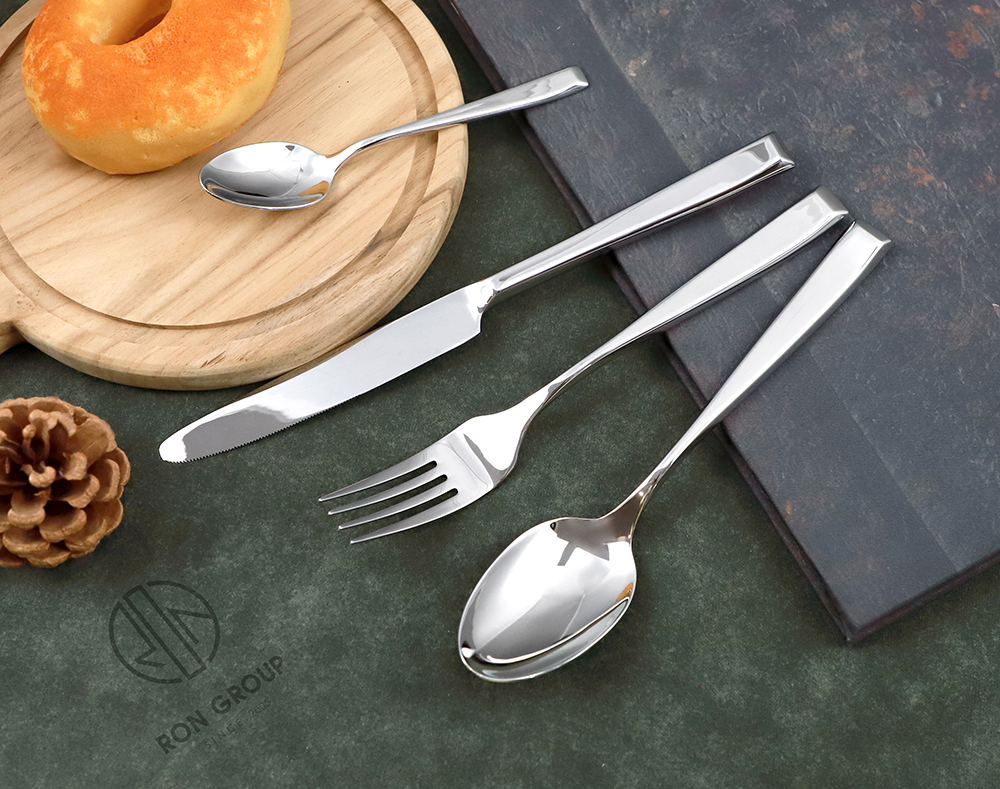
1) The strongest visual signals that make a table feel “premium”
A clean silhouette that supports the food
Modern cutlery tends to use controlled lines and balanced proportions. This keeps the table setting calm and intentional, especially when paired with plated dishes, shared plates, or tasting-style service.
A finish that reads well under warm lighting
Most hospitality lighting is warm and directional. The right finish reflects light in a clean, consistent way, helping the table look polished instead of messy. This matters for guest photos and also for everyday perception.
Consistency across pieces
When the fork, knife, and spoon feel like a unified family, the whole tabletop looks designed—not assembled. Consistency is a subtle trust signal.
2) Why cutlery comfort impacts business results
Comfort reduces friction during dining
A comfortable handle and stable balance prevent small annoyances: awkward grip, sharp edges, slippery feel, or uneven weight. Guests rarely “complain” about these details, but they feel them—and those feelings shape reviews and repeat visits.
The table experience influences dwell time and engagement
For cafés, lounge bars, and social dining spaces, guests staying a little longer often increases add-on orders. Comfort and atmosphere-driven design isn’t only about seating; the tabletop matters too.
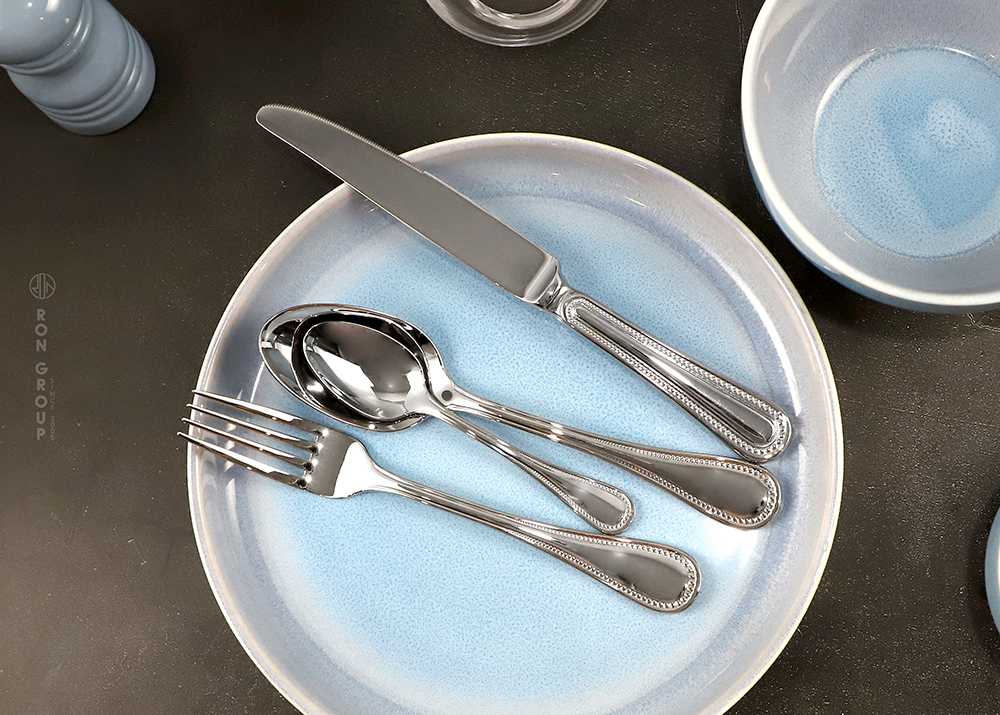
3) The commercial reality most buyers underestimate
Restaurants are a stress test. Cutlery is exposed to:
High-frequency dishwasher cycles
Constant stacking, storage friction, and polishing
Drops, knocks, and tray contact at peak hours
Oils, sauces, acids, and cleaning chemicals
If the spec is not commercial-ready, the result is predictable: uneven shine, scratch patterns that look “old,” discomfort at edges, or pieces that lose their premium look quickly.
In commercial settings, replacement cost is not only purchase price. It includes:
4) A buyer’s checklist for choosing restaurant cutlery
Use this checklist before you approve a cutlery set for your venue:
Hand feel: Is it comfortable through a full meal, not just a quick grip?
Balance: Does it feel stable and controlled, not light or awkward?
Edge refinement: Are edges smooth enough for comfort but strong enough for daily knocks?
Finish stability: Will it still look consistent after repeated wash and polish cycles?
Tabletop fit: Does it match your plates, lighting, and brand tone?
Reorder consistency: Can you replenish later without changing the look across tables?
A set that passes these checks will protect guest perception and reduce operational friction.
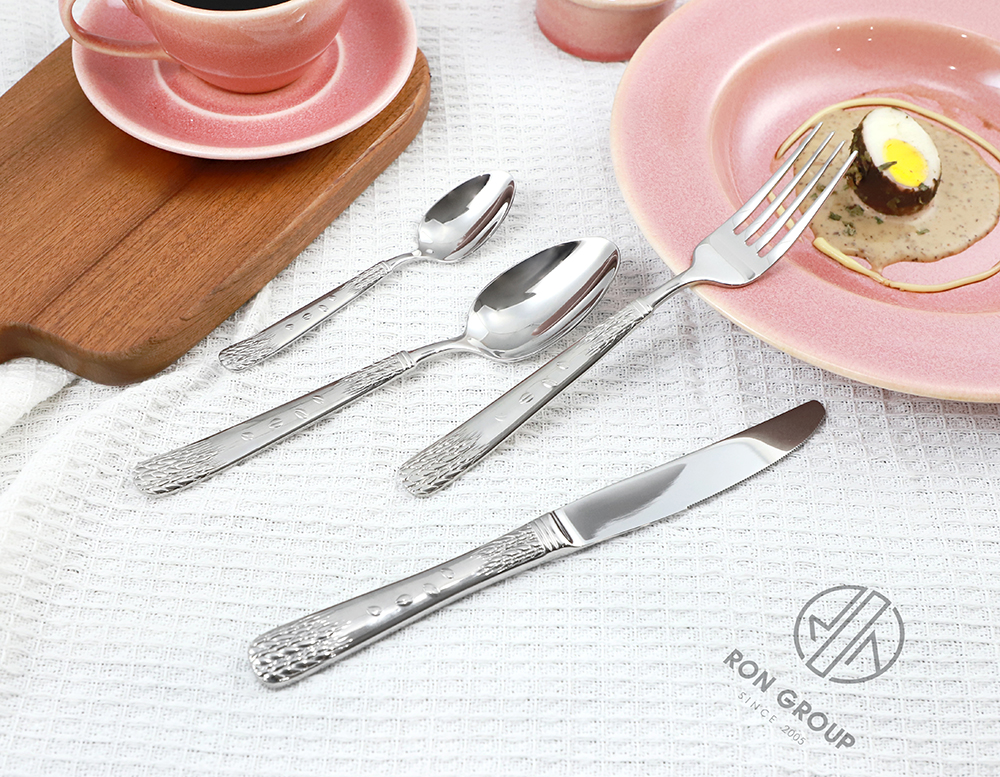
5) Where modern cutlery works best
Cafés & all-day dining: clean lines keep the table light and modern
Lounge bars: finish and reflection reinforce a premium atmosphere at night
Restaurants: consistency supports plating and brand identity
Events & banquets: a unified look builds instant trust across many covers
Decision-level takeaway
Choose cutlery like an operator: prioritize comfort, finish stability, and reorder consistency first—then let modern design elevate the atmosphere naturally.


