Culinary aesthetics in 2026 are undergoing a significant shift—from industrialization toward immersive sensory experiences. This article provides an in-depth analysis of how organic forms, kiln-fired glaze techniques, and sustainable materials—through the integration of visual and tactile elements—enhance brand premium and customer loyalty in modern restaurants.
In the fast-paced hospitality industry of 2026, the dining table has transcended its role as a mere functional surface. It is now a multisensory canvas where culinary art meets industrial design. As global diners increasingly crave authenticity, the dominance of sterile, mass-produced white porcelain is fading. The most successful operators are now pivoting toward 2026 dinnerware trends that emphasize human connection, nature-inspired textures, and a return to artisanal craftsmanship. For procurement managers, choosing the right commercial dinnerware sets is a strategic decision that influences everything from social media visibility to the perceived value of the menu.
1. The Sculptural Appeal of Organic Shaped Plates
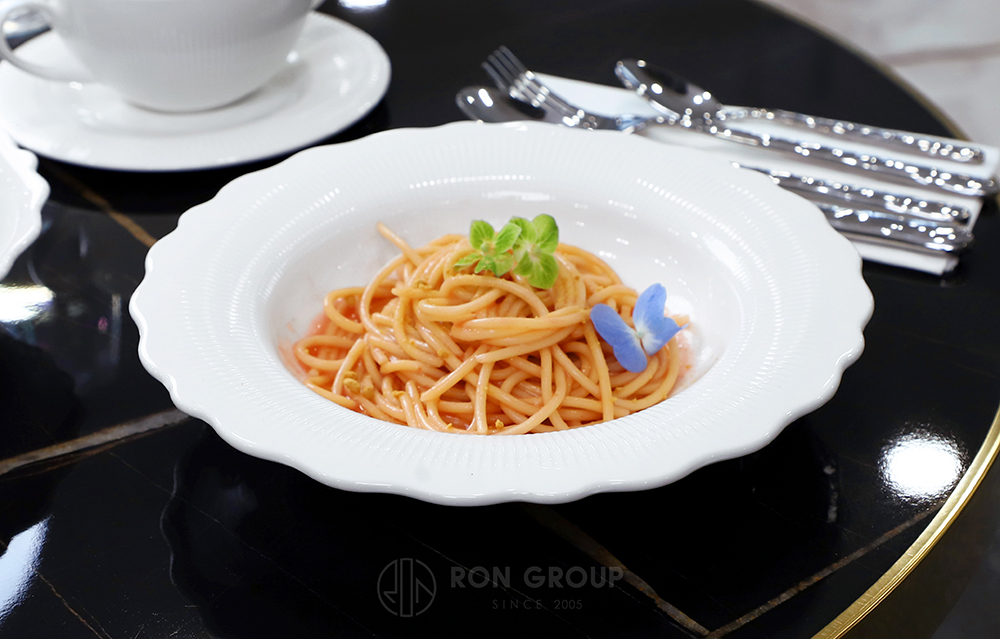
The first major pillar of this year’s trend is the rejection of rigid symmetry. Organic shaped plates are redefining modern plating by mimicking the flowing lines found in nature—think of smooth river stones or the soft edges of a leaf. These designs are a cornerstone of luxury restaurant tableware because they suggest a "bespoke" quality. When a guest receives a dish on a plate with an irregular rim, the subconscious message is that their meal is unique and hand-prepared. This Wabi-Sabi aesthetic—finding beauty in imperfection—is particularly powerful for farm-to-table concepts and Michelin-starred establishments looking to differentiate themselves from the competition.
2. The Science of Reactive Glaze Dinnerware
From a visual perspective, reactive glaze dinnerware is the most searched category for B2B buyers this year. This technique involves a chemical reaction during the high-heat firing process, creating variegated patterns, crystalline structures, and deep color gradients that are impossible to replicate exactly. Whether it is a deep volcanic black or a shimmering oceanic teal, these glazes provide a high-contrast background that makes the vibrant colors of fresh ingredients "pop." Furthermore, as a professional ceramic dinnerware manufacturer, we ensure that these glazes are not only beautiful but also meet the rigorous standards of durable restaurant plates, resisting metal marking and thermal shock in high-volume kitchens.
3. Tactile Intimacy: Engaging the Haptic Sense
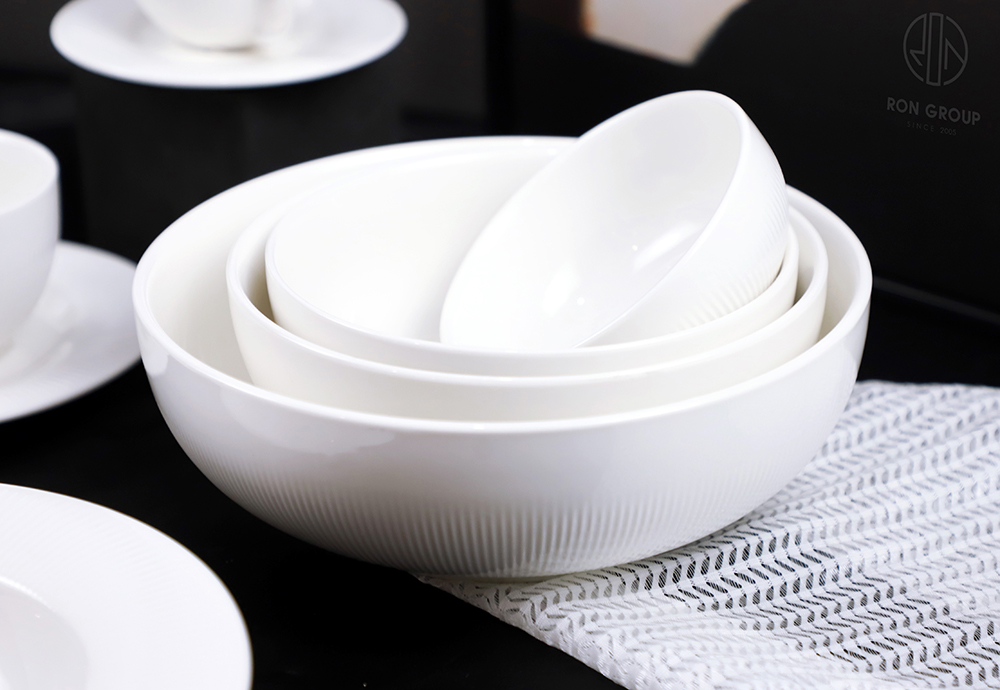
2026 is the year we look beyond sight. The tactile finishes of dinnerware are now a critical part of the dining experience. We are seeing a significant move toward matte surfaces, "sand-textured" glazes, and unglazed "biscuit" porcelain exteriors. This haptic interaction creates a grounded, intimate feeling that enhances the guest's comfort. For high-end hospitality tableware supply, the weight and balance of the plate are also scrutinized; a plate that feels substantial in the hand immediately elevates the prestige of the dish served upon it.
4. Sustainability and Ethical Procurement
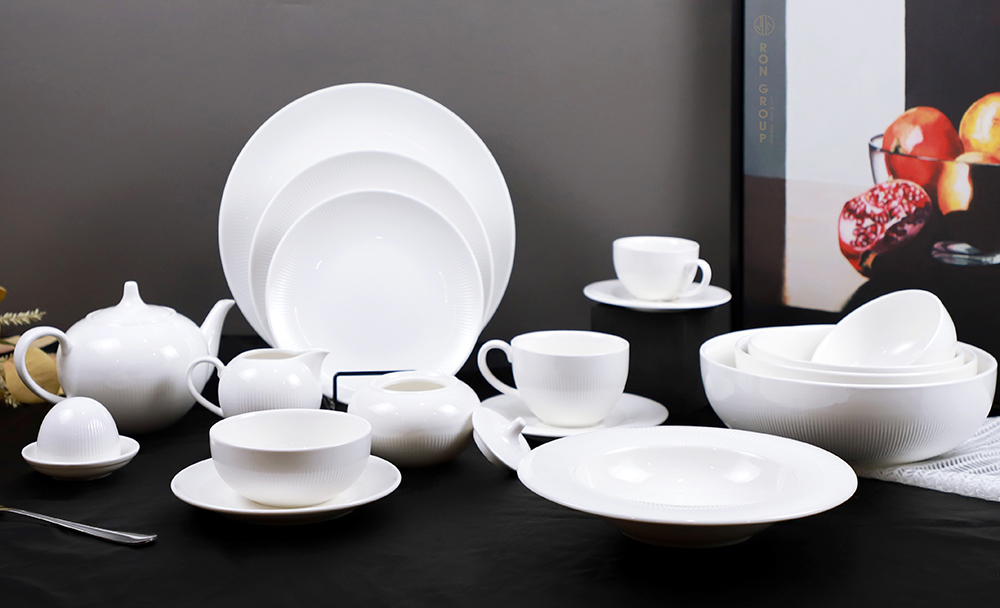
In 2026, environmental responsibility is no longer a marketing tagline; it is a procurement requirement. The demand for eco-friendly ceramic plates has surged as restaurants face pressure from both regulators and eco-conscious diners. This involves sourcing from manufacturers that utilize recycled clay bodies, water-recycling systems, and energy-efficient kilns. When searching for wholesale fine dining plates, savvy buyers now ask for transparency regarding lead-free and cadmium-free certifications. Aligning your brand with sustainable practices not only protects the planet but also strengthens your brand’s narrative in a competitive market.


