Why Choosing Residential-Grade Furniture Is a $10,000 Mistake for Your Restaurant
Many new restaurateurs choose home-style furniture to save on initial costs, only to face structural failures within months. This article breaks down the technical differences between "retail" and "contract" grade furniture and why durability is your best cost-saving strategy.
The Reality Check
You found a stylish chair at a retail giant for $45. It looks perfect for your new bistro, and the price keeps your initial investment low. But six months later, the joints are wobbling, the fabric is stained beyond repair, and a customer has already had a "near-fall" incident. Replacing 50 chairs twice in three years doesn't just double your costs—it kills your margins.
The Root Cause: The "Residential" Trap
Home furniture is designed for 2–3 hours of use per day by 4 people. Commercial furniture is built for 12+ hours of daily abuse by hundreds of rotating guests.
Structural Integrity: Residential chairs use basic glue and screws. Commercial-grade seating utilizes mortise-and-tenon joints reinforced with metal brackets.
Surface Resilience: Retail finishes peel under industrial-strength sanitizers. Commercial finishes are "Contract Grade," designed to withstand chemical cleaning without fading.
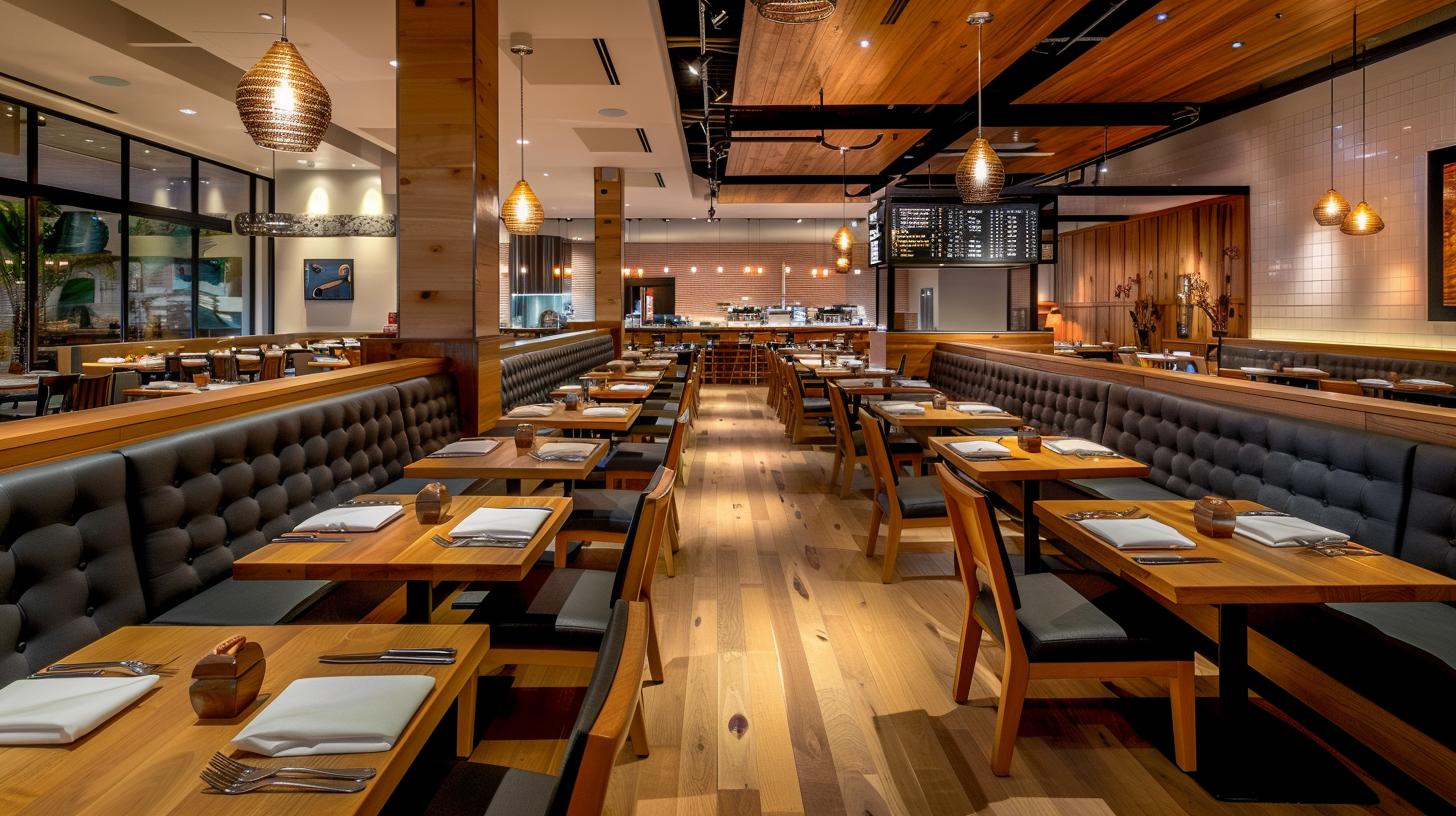
The "Commercial" Difference
True hospitality furniture is rated by Double Rubs (a measure of fabric durability). While home fabric might survive 15,000 rubs, commercial fabrics require 50,000 to 100,000+ to prevent "pilling" and thinning in high-traffic zones.
Actionable Procurement Criteria:
Check the Warranty: If it’s less than 2 years for a high-traffic environment, walk away.
Weight Rating: Ensure chairs are tested for at least 300 lbs to mitigate liability.
Replaceable Parts: Can you buy just the glides or the seat cushions later? If not, you’re buying a disposable product.
The Bottom Line:
Buying for "aesthetic" saves pennies today; buying for "durability" saves thousands in replacement costs and liability claims tomorrow.


