Efficiency is the secret to high turnover. We analyze how improper aisle widths and "dead zones" create service bottlenecks that frustrate guests and exhaust your staff.
The Reality Check
Your food is a 10/10, but your table turnover is stagnant. If your servers are constantly "performing a dance" to avoid bumping into each other or guests, your floor plan is actively draining your revenue. A 10% delay in service speed during peak hours can equal the loss of an entire seating turn per night.
Why Your Layout Is Failing
The "36-Inch" Bottleneck: Many owners try to squeeze in "one more table," reducing aisles to 24 inches. This forces servers to slow down, increasing the risk of spills and decreasing the frequency of "second drink" check-ins.
Dead Zones: Tables placed too close to the kitchen pass or restrooms have a 30% lower occupancy rate. Guests feel the "chaos" of the kitchen, leading to a rushed, unpleasant experience.
Station Imbalance: If your POS station or cutlery bin is poorly placed, your staff is walking 40% more than necessary.
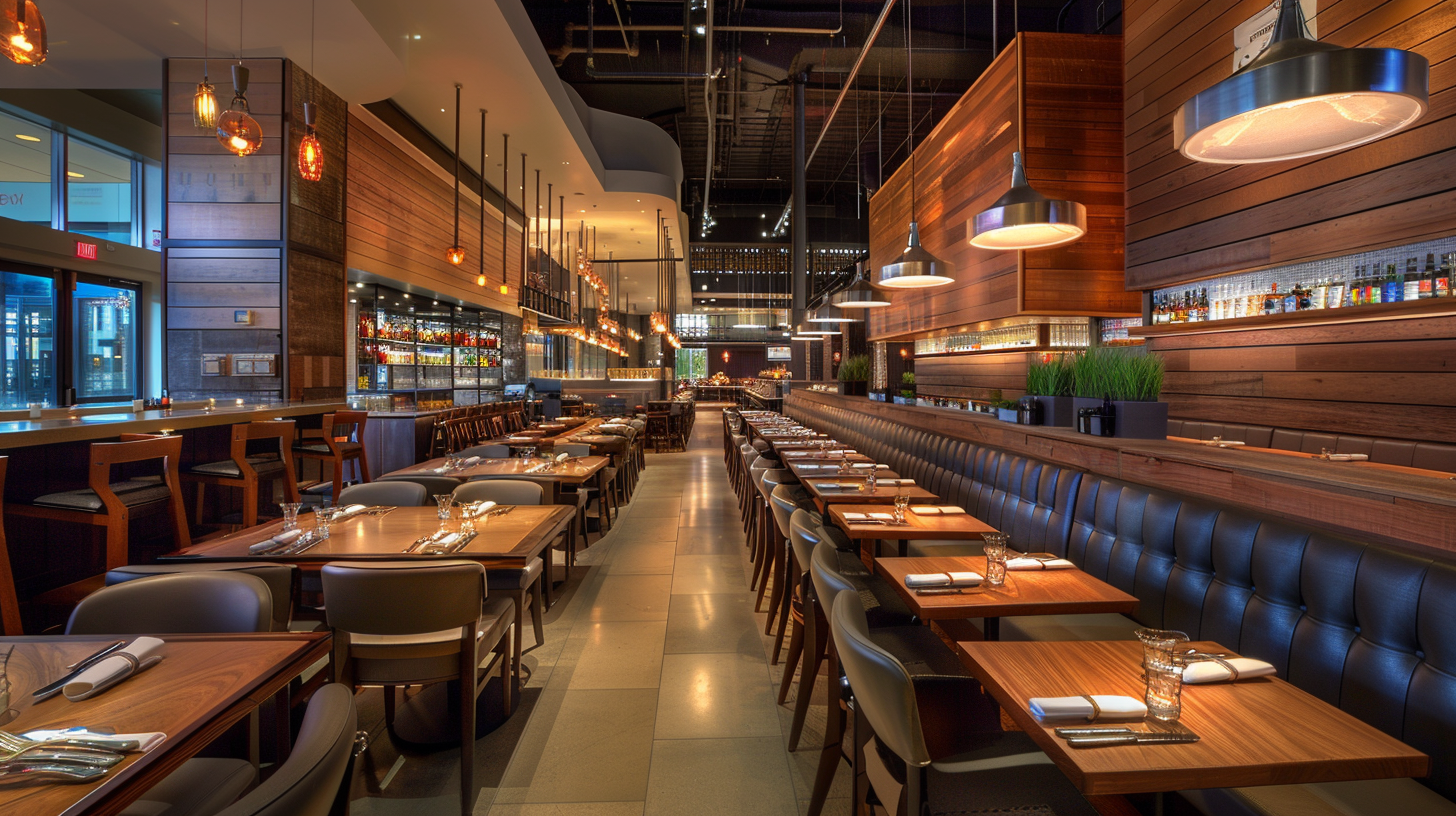
How Commercial Flow Differs
Commercial design isn't about filling space; it’s about Mapping the Path of Least Resistance. This means separating the "Guest Path" from the "Service Path."
Actionable Standards for Profit:
The Rule of 36: Main service aisles must be 36 inches wide; secondary aisles no less than 18 inches.
Acoustic Buffers: Use high-back banquette seating to create "private" zones in loud, high-traffic areas.
Visual Anchors: Use lighting to draw guests away from the entrance and into the "dead zones" of the dining room.
The Bottom Line:
Every inch of your floor should be designed for speed. If your staff is fighting the furniture, your business is losing money.


