High breakage rates are a silent profit killer. This guide explains the science of thermal shock and edge chipping, helping you choose tableware that survives 500+ industrial wash cycles.
The Reality Check
That "clink" in the dish pit is the sound of your profit disappearing. Many high-end restaurants invest in beautiful, delicate ceramics only to find their annual breakage rate hitting 25-30%. If you are replacing your entire inventory every few months, your "beautiful" plates are a financial liability.
Why Standard Ceramics Fail in Restaurants
Thermal Shock: Cheap porcelain cannot handle the rapid transition from a 180°F commercial dishwasher to a cold plating station. This leads to "crazing" (tiny cracks in the glaze).
Edge Chipping: Residential plates have thin, tapered edges. Commercial plates feature Rolled Edges specifically designed to withstand the impact of stacking and high-volume handling.
Metal Marking: Low-quality glazes are softer than stainless steel cutlery, leading to permanent black scratches that make a plate look "dirty" even when sanitized.
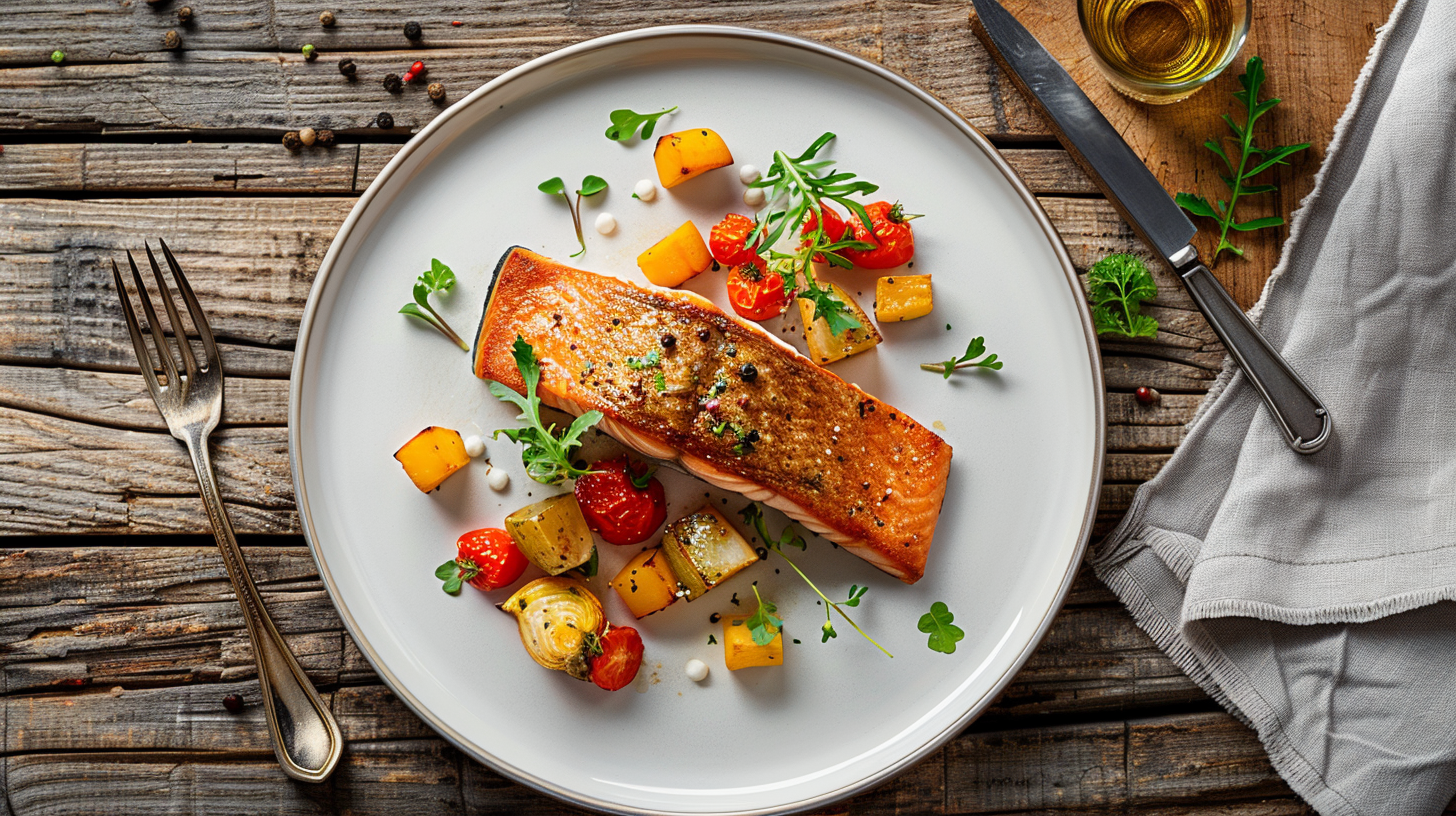
The "Hotel-Grade" Solution
Professional hospitality porcelain is often "Alumina-Reinforced." This chemical composition creates a denser, harder body that is significantly more resistant to mechanical impact and thermal shock.
Decision-Making Checklist:
Stackability: Does the foot of the plate fit perfectly into the well of the one below it? If they "wobble" when stacked 10-high, breakage is inevitable.
Glaze Hardness: Ask for the Mohs scale rating or "Scratch Resistance" data.
Open Stock Availability: Never buy a "trend" set that doesn't guarantee 5-year replacement availability.
The Bottom Line:
Tableware is a tool, not just a canvas. If it can't survive 500 cycles in a commercial dishwasher, it has no place in a profitable kitchen.


